

22 Jan Luck or skill which truly rules the casino
Luck or skill which truly rules the casino
The Role of Luck in Gambling
Luck is often viewed as a primary factor in gambling, especially in games like slots and roulette where outcomes are purely random. The essence of luck lies in the unpredictable nature of these games, where players have little to no control over the results. This element of chance can lead to exhilarating wins, drawing players into a cycle of hope and excitement. For many, engaging with best non Gamstop casinos symbolizes the thrill of potentially hitting the jackpot, which is what keeps them coming back to the casino.
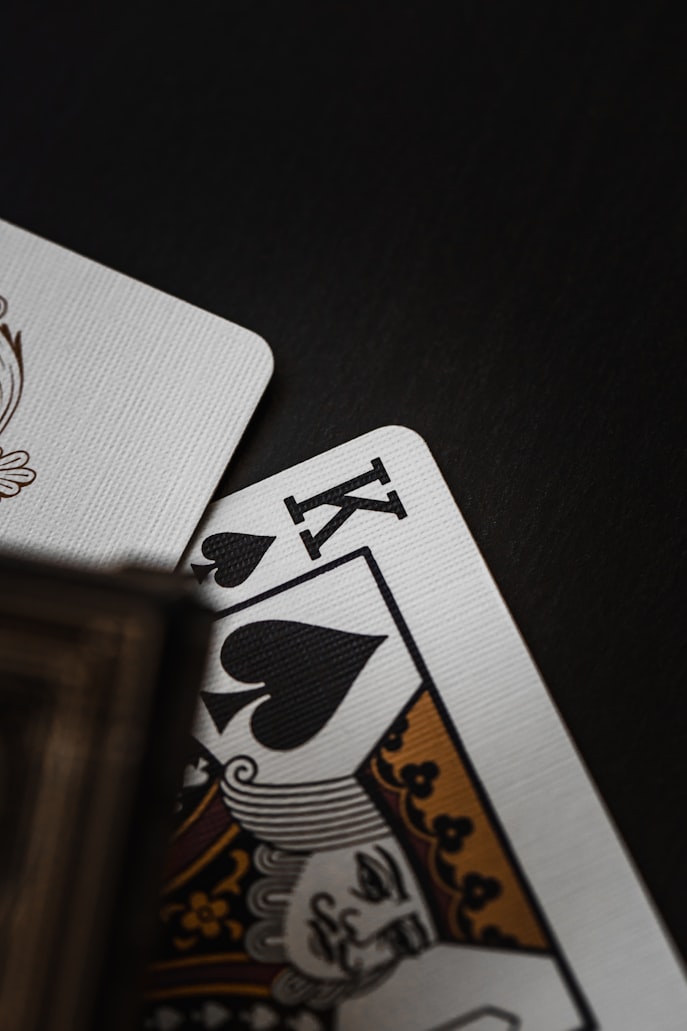
Furthermore, psychological studies show that individuals often overestimate the role of luck in their gambling experiences. This phenomenon, known as the “gambler’s fallacy,” leads players to believe that they can predict future outcomes based on past events. As a result, many players may find themselves caught in a loop of chasing losses, thinking that luck will eventually swing in their favor.
The Importance of Skill in Casino Games
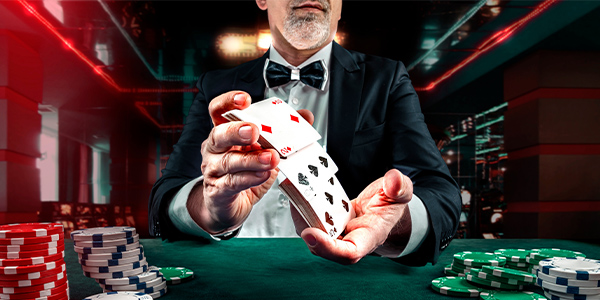
In contrast, skill plays a significant role in many casino games, particularly those that involve strategy, such as poker and blackjack. These games require players to make informed decisions based on the cards they hold and their opponents’ behavior. Mastering the art of bluffing or counting cards can dramatically improve a player’s odds, showcasing that skill can indeed outweigh luck in the right circumstances.
The psychological aspect of skill-based games adds another layer to the gambling experience. Players who invest time in learning the nuances of the game often develop a deeper understanding of probability and risk management. This strategic mindset can lead to more consistent wins and a greater sense of control over one’s gaming experience, which many players find rewarding.
Psychological Factors in Gambling Decisions
The interplay between luck and skill also has psychological implications. Many players exhibit cognitive biases that can distort their perception of control over the game. For example, the illusion of control can cause players to believe that their skills can significantly influence outcomes, even in purely luck-based games. This belief can lead to overconfidence and increased risk-taking behavior.
Moreover, the thrill of gambling is often tied to emotional responses, such as excitement and anticipation. These emotions can cloud judgment, leading players to ignore the odds or their financial limits. Understanding these psychological factors is crucial for players who wish to engage in responsible gambling, balancing their desire for fun with the reality of risk.
Balancing Luck and Skill for a Better Experience
Achieving a balance between luck and skill can enhance the overall gambling experience. Players who embrace the randomness of luck while honing their skills in strategic games tend to have a more well-rounded approach. This combination allows for enjoyment without falling prey to the pitfalls of relying solely on luck or overestimating one’s abilities.
By recognizing that both elements play a role in gambling, players can better manage their expectations and engage more meaningfully with the games they play. This balanced mindset can contribute to longer-lasting enjoyment and minimize the risks associated with gambling.
About This Website
This website aims to provide insightful content related to various aspects of gambling, focusing on the psychology that underpins player decisions. By exploring topics such as luck and skill, we hope to enhance understanding of the gambling world and encourage responsible gaming practices.
Through comprehensive articles and analyses, this platform seeks to empower readers with knowledge, helping them navigate the complexities of casinos and gambling effectively. Whether you are a casual player or a seasoned gambler, our goal is to enrich your experience with valuable insights.
No Comments